

12 Oct How to Choose a Traumatic Brain Injury Lawyer After Accident
Choosing a traumatic brain injury lawyer after an accident takes more than finding someone who handles personal injury cases. Brain injury claims can involve changing symptoms, lengthy rehabilitation, questions about future medical needs, difficulty returning to work, disputed causation, and losses that may not be clear shortly after the accident.
That means the lawyer needs to understand both the legal claim and why the medical story may take time to develop.
The Brain Injury Association of America recommends considering an attorney’s experience with similar cases, understanding of brain injuries and treatment, access to appropriate experts, financial resources to pursue the case, and ability to address the long-term consequences of the injury.
At our practice, we represent people injured in accidents throughout Florida. Attorney Kevin L. Sullivan II handles personal injury matters that include traumatic brain injuries, car crashes, motorcycle accidents, falls, truck accidents, and other injury claims. Clients receive his direct cell phone number, and we offer a free, no-obligation consultation at (813) 598-4868.
Key Takeaways
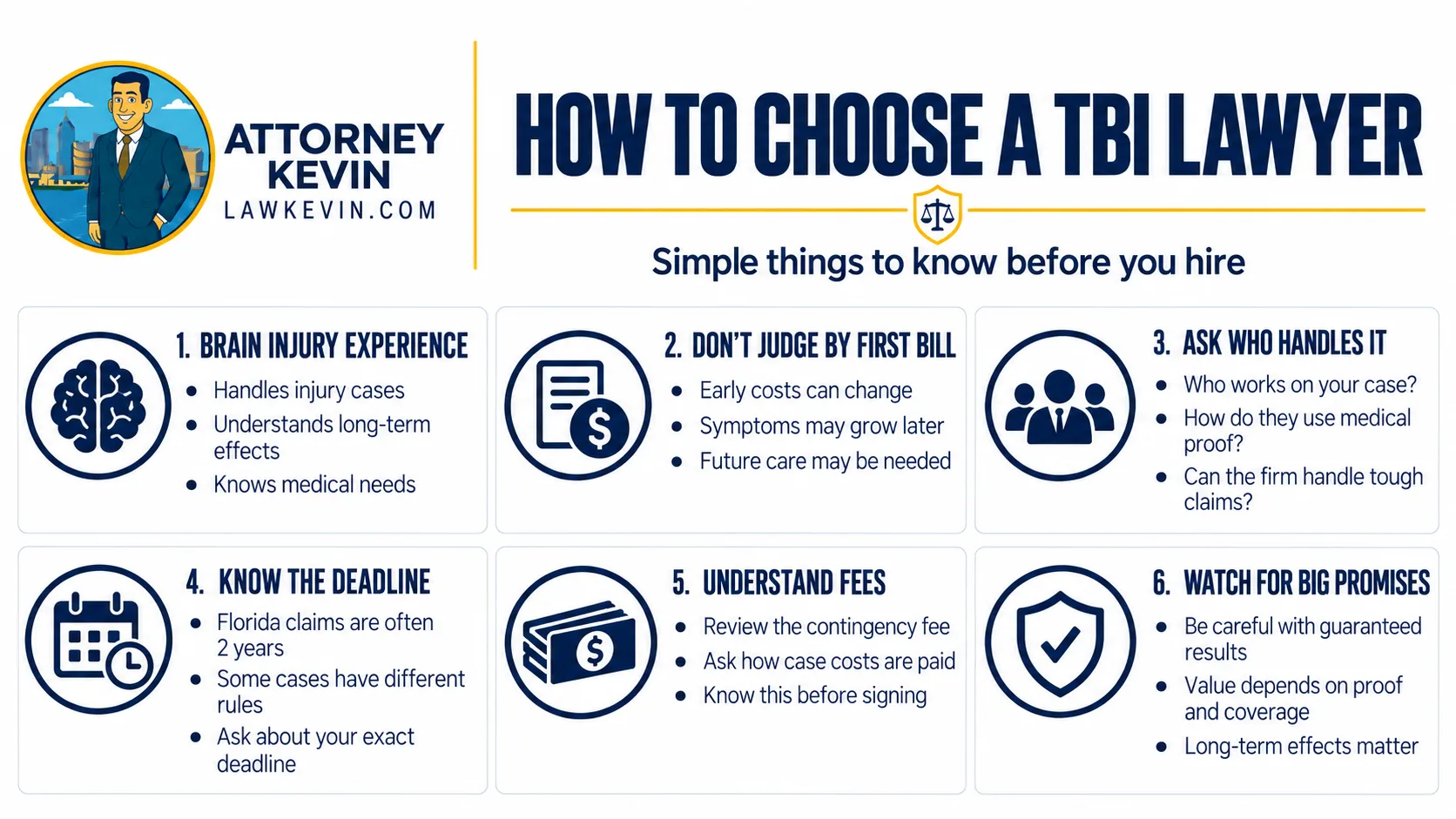
- Look for a lawyer with meaningful personal injury experience who understands how brain injuries can affect cognition, behavior, work, independence, and long-term medical needs.
- A TBI claim should not be valued solely from the first hospital bill because symptoms and future limitations may become clearer as recovery progresses.
- Ask who will actually handle your case, how the lawyer approaches medical evidence, and whether the firm has the resources to pursue a complicated claim.
- Florida negligence claims generally have a two-year limitations period, but different claims and defendants can involve different deadlines.
- Understand the contingency-fee agreement and how case costs will be handled before signing.
- Be cautious of any lawyer who guarantees a specific recovery before understanding the medical evidence, liability, insurance coverage, and long-term effects of the injury.
Get a Free Consultation
Call us at (813) 598-4868
Why Does Choosing the Right TBI Lawyer Matter?
Traumatic brain injury cases can be harder to evaluate than injury claims involving a clearly visible, predictable injury.
A broken bone may appear clearly on an X-ray and follow a relatively familiar healing process. Brain injuries can be different. The Centers for Disease Control and Prevention notes that symptoms of a mild TBI or concussion vary between people, may appear immediately or hours or days later, and can change during recovery. Moderate and severe TBIs can also create chronic health problems and effects that differ considerably from one person to another.
That uncertainty can affect a legal claim.
If someone is still struggling with concentration, memory, balance, headaches, sleep, emotional changes, or the ability to return to normal work, it may take time and appropriate medical evaluation to understand what those problems mean for the person’s future.
A traumatic brain injury lawyer should recognize that distinction.
The goal is not simply to total the bills that already exist. A serious claim may also require evaluating what the injury could mean for future medical care, employment, household responsibilities, independence, and quality of life.
1. Ask How Much Experience the Lawyer Has With Brain Injury Cases
Start by asking whether the lawyer has handled traumatic brain injury claims, not simply whether the firm practices personal injury law.
The Brain Injury Association of America specifically recommends asking prospective attorneys what experience they have with brain injury cases and how much of their practice involves personal injury. BIAA also identifies knowledge of brain injury treatment and consequences as an important consideration when selecting representation.
Ask what kinds of TBI claims the attorney has handled.
The legal and factual issues may differ depending on whether the brain injury resulted from:
- A car or truck collision
- A motorcycle or bicycle accident
- A pedestrian accident
- A fall
- A workplace incident
- Another person’s negligence
The accident mechanism matters because it affects how liability and insurance coverage are investigated.
The severity and consequences of the brain injury matter for a different reason: they affect what evidence may be necessary to demonstrate the person’s losses.
Attorney Kevin handles personal injury and accident claims throughout Florida, and traumatic brain injuries are specifically included among the practice areas listed by his firm. His practice also includes car, motorcycle, truck, bicycle, slip-and-fall, and other accident matters.
2. Ask Whether the Lawyer Understands How TBI Symptoms Can Develop
A lawyer handling a brain injury case should understand that symptoms and limitations may not be completely clear immediately after an accident.
According to the CDC, some mild TBI symptoms occur immediately while others may appear hours or days later. Symptoms can affect how a person thinks, feels, acts, and sleeps, and they may change throughout recovery.
That can create a challenge in an injury claim.
Someone might return home after an accident believing the worst has passed, then begin noticing difficulty concentrating, disrupted sleep, sensitivity to light, memory problems, or emotional changes later.
For moderate or severe brain injuries, potential effects can be broader and may continue over a long period.
A prospective lawyer does not need to act as your doctor. In fact, legal advice should never replace medical evaluation.
What the lawyer should understand is how the medical course affects the evidence and timing of the claim.
Ask:
“How would ongoing or changing TBI symptoms affect the way you evaluate my case?”
A thoughtful answer should recognize that the full impact of an injury cannot always be determined from the first few days of medical records.
3. Find Out How the Lawyer Will Prove the Full Effect of the Injury
A strong TBI claim needs evidence connecting the accident, injury, symptoms, treatment, and resulting losses.
Medical records are an obvious part of that evidence, but a serious brain injury can affect far more than medical expenses.
Depending on the circumstances, evidence may need to address changes in:
- Memory and concentration
- Ability to work
- Future earning ability
- Daily activities
- Physical functioning
- Behavior or emotional health
- Independence
- Need for future treatment or assistance
The Brain Injury Association of America advises people to consider whether an attorney understands both the consequences and treatment of brain injury and has access to experts needed to develop the case.
The right professionals depend on the facts. Not every case needs the same specialists.
Instead of looking for a lawyer who immediately promises to hire a long list of experts, ask:
“How will you determine what medical or other expert evidence my particular case needs?”
That question reveals more about the attorney’s reasoning.
4. Ask How Future Medical and Rehabilitation Needs Will Be Evaluated
Future needs can be one of the most important issues in a serious TBI claim because rehabilitation and long-term care may continue well beyond the initial accident.
BIAA notes that brain injury rehabilitation and long-term care can be expensive and may continue for years. It specifically recommends choosing counsel who understands brain injury treatment and how to manage the financial consequences of these cases.
This does not mean every TBI produces permanent disability.
Many people improve substantially, and outcomes vary.
That uncertainty is exactly why the question deserves attention before settling a serious claim.
Ask a prospective attorney how the firm would approach a case where doctors are still evaluating:
- Whether additional rehabilitation will be needed
- Whether symptoms are expected to improve
- Whether work restrictions will continue
- Whether assistance at home may be necessary
- Whether the injury will affect long-term earning capacity
An attorney should not invent those future costs. The objective is to gather appropriate evidence before making legal assumptions about them.
5. Ask How the Lawyer Handles Disputes About Whether the Accident Caused the TBI
Causation can become a major issue when an insurer accepts that an accident happened but disputes whether it caused all of the symptoms being claimed.
This can happen for several reasons.
A person may not have lost consciousness. Initial imaging may not tell the whole story. Symptoms may be reported later. There may be previous headaches, mental health treatment, prior concussions, or another medical history the insurer believes is relevant.
Those circumstances do not automatically prove or disprove a claim.
They create an evidence question.
Ask the lawyer how the firm handles cases where the insurance company argues that symptoms are unrelated to the accident or were caused by a pre-existing condition.
The answer should involve careful medical documentation and case-specific evidence rather than a blanket promise that the insurer’s position will be defeated.
This is one reason TBI experience matters. The lawyer needs to understand where the medical and legal questions intersect without pretending to make medical diagnoses.
6. Ask What Happens If the Injured Person Cannot Return to the Same Work
A brain injury can affect compensation differently when it interferes with a person’s ability to work over the long term.
For some people, returning to the same job is straightforward.
For others, the physical recovery may look encouraging while concentration, memory, fatigue, processing speed, or other difficulties make the same workload harder to manage.
The CDC recognizes cognitive changes among the potential effects of traumatic brain injury.
If the injury affects work, ask how the lawyer will document more than the paychecks already missed.
Depending on the facts, the legal analysis may need to distinguish between:
Past lost income: Money the injured person has already been unable to earn.
Future loss of earning capacity: The financial effect of being less able to earn income in the future.
Those are not automatically the same thing.
A person might return to work yet still face reduced hours, a different position, fewer opportunities for advancement, or difficulty performing the work they previously did.
The evidence matters.
7. Find Out Who Will Personally Handle Your Case
You should know who will make the important decisions, communicate with you, deal with insurers, and prepare the case.
The Brain Injury Association of America recommends asking who else within the law practice will be involved and who will serve as your primary contact.
That question becomes especially important in a TBI case.
Memory, fatigue, concentration problems, medical appointments, and the stress placed on family members can make communication more difficult than it would be in an ordinary legal matter.
You need a clear system for updates.
At our practice, direct communication is part of the service Attorney Kevin promises clients. Clients receive his direct cell phone number at (813) 598-4868, and his website states that maintaining contact and answering client concerns are priorities throughout the claim.
Ask any lawyer you interview how often you can expect updates and who you should contact when a new medical or legal issue comes up.
8. Ask Whether the Firm Has the Resources to Pursue a Complicated TBI Claim
Experience matters, but the lawyer also needs the resources to investigate and develop the case properly.
BIAA specifically recommends considering whether an attorney has the financial resources to pursue a brain injury case and access to appropriate experts.
Those resources may become important when a case requires extensive medical records, depositions, accident investigation, expert analysis, litigation expenses, or other work.
Not every TBI claim will need every one of those things.
The better question is whether the firm can recognize what your case requires and follow through.
Ask:
“If my case becomes medically or legally complicated, what resources can you use to develop it?”
You can also ask whether those resources change if a lawsuit has to be filed.
9. Ask What Happens if the Insurance Company Offers a Quick Settlement
An early settlement is not automatically a bad settlement, but a TBI claim should not be resolved before there is enough information to evaluate what is being released.
This is where the timing of recovery becomes important.
Suppose an injured person receives an offer while still treating for headaches, memory problems, dizziness, or difficulty returning to work. If doctors do not yet know whether those limitations are temporary or persistent, the future financial impact may still be uncertain.
BIAA notes that the effects of brain injuries and related rehabilitation needs can extend far into the future.
Ask the attorney what information should be available before deciding whether a settlement reasonably addresses the claim.
A responsible lawyer should evaluate the offer against the evidence rather than automatically telling you that every early offer is inadequate.
Settlement decisions involve trade-offs, including the strength of liability evidence, medical proof, available insurance, litigation risks, and the injured person’s individual circumstances.
10. Make Sure the Lawyer Understands Florida Negligence Rules and Deadlines
A traumatic brain injury lawyer handling a Florida accident claim should understand the state rules that can affect whether and how much a person can recover.
Florida generally applies a two-year statute of limitations to negligence actions. However, different causes of action, government defendants, medical malpractice matters, wrongful death cases, and other circumstances may involve different procedures or deadlines.
You should therefore ask about the deadline applicable to your specific claim rather than assuming every accident has the same filing date.
Florida’s comparative-fault rule can also matter.
For negligence actions covered by section 768.81, a claimant’s damages are reduced according to their percentage of fault. A party found more than 50% responsible for their own harm generally cannot recover damages under that statute.
That can become particularly important after an accident where several people or businesses may share responsibility.
For example, a car crash could involve arguments about the conduct of more than one driver. A premises case could involve disputes about the property owner’s conduct and the actions of the injured person.
A good lawyer should identify those issues early.
11. Review the Contingency Fee and Case Costs Carefully
Do not stop at asking whether the attorney charges a fee only if the case succeeds. Understand the entire written agreement.
The Florida Bar explains that contingency-fee arrangements must be in writing and identify how the lawyer’s fee will be determined. The agreement should also address case expenses and how they will be deducted. Depending on the contract, a client can potentially remain responsible for costs even when there is no recovery unless the agreement states otherwise.
At our practice, Attorney Kevin advertises no upfront costs or fees and states that attorney’s fees are charged only if he wins for the client. His website also says that if he does not win, the client owes nothing.
Still, read the contract.
Before signing with any attorney, ask how the fee percentage works, what costs may be incurred, whether the percentage can change as the case progresses, and how expenses are handled at the end.
A clear lawyer should be willing to explain those terms in ordinary language.
12. Pay Attention to Communication During the Consultation
The initial consultation gives you an early indication of how the lawyer communicates when the case becomes difficult.
Brain injury cases can involve a large amount of information. You may be dealing with medical appointments, changing symptoms, insurance calls, missed work, and concerns from family members at the same time.
The lawyer should be able to explain the legal process without making it harder to follow.
The Florida Bar’s client-rights guidance says clients are entitled to capable representation, reasonable information about fees, periodic updates about the case, and independent professional judgment.
During your consultation, notice whether the lawyer:
- Lets you explain what has changed since the accident
- Answers questions clearly
- Explains what is known and what still needs investigation
- Sets realistic expectations
- Tells you who will provide updates
- Avoids making promises that cannot yet be supported
You are not simply choosing someone’s legal résumé.
You are choosing the person you may need to communicate with through months or longer of treatment, negotiations, and possibly litigation.
Should You Use the BIAA Preferred Attorney Directory?
The Brain Injury Association of America’s Preferred Attorney Directory can be a useful research tool, but it should not replace your own evaluation of a lawyer.
BIAA says its Preferred Attorney Program is designed to help people identify attorneys with brain-injury knowledge and experience. Its directory includes participating attorneys who have been reviewed under the program’s requirements.
There is an important qualification.
BIAA expressly states that inclusion in the program is not an endorsement, guarantee, approval, or warranty of any attorney’s services, and participating attorneys pay to be included in the program.
That makes the directory one possible starting point—not a substitute for asking about experience, resources, communication, fees, and how the attorney would approach the facts of your case.
What Questions Should You Ask a Traumatic Brain Injury Lawyer?
A consultation becomes much more useful when you arrive with questions that expose how the attorney thinks.
Consider asking:
- How much of your practice involves personal injury and brain injury claims?
- What issues do you see as the biggest strengths and weaknesses in my case?
- What additional medical or accident evidence would you want to review?
- How do you approach a TBI when symptoms or work limitations are still developing?
- How would you document possible future treatment or loss of earning ability?
- Who will personally handle my case and be my primary contact?
- What happens if the insurance company disputes that the accident caused my symptoms?
- Are you prepared to pursue litigation if negotiations do not resolve the claim?
- How do attorney fees and case expenses work under the written agreement?
- What Florida deadlines or comparative-fault issues could affect my particular claim?
Several of these questions closely reflect the selection factors recommended by the Brain Injury Association of America, including case experience, case strengths and weaknesses, additional information needed, team involvement, and the lawyer’s background with brain injury matters.
What Are Red Flags When Hiring a TBI Lawyer?
Be cautious when the consultation produces promises instead of analysis.
A lawyer should not need to guarantee a specific settlement amount to demonstrate confidence.
Other warning signs include being unable to explain who will handle the claim, dismissing questions about fees or costs, failing to ask about the medical course of the brain injury, treating every TBI claim as though it has the same value, or pressuring you to resolve the case before enough information exists to understand the injury.
Another concern is a lawyer who talks only about the accident but shows little interest in what happened afterward.
In a serious brain injury case, the legal claim is connected to the medical evidence, recovery, work limitations, day-to-day changes, and future consequences.
Ignoring those issues can leave major questions unanswered.
Why Is a Quick Case Value Estimate Especially Difficult After a Brain Injury?
The value of a TBI claim may be difficult to estimate early because both the medical prognosis and the financial consequences can still be developing.
The CDC notes that TBI effects vary by person and can change during recovery. BIAA likewise emphasizes that brain injuries may create long-term treatment, rehabilitation, financial, and family concerns.
A proper evaluation may need to consider factors such as:
- Who was responsible for the accident
- Whether fault is disputed
- Available insurance coverage
- Severity of the TBI
- Medical treatment and rehabilitation
- Whether symptoms persist
- Past and future medical expenses
- Missed work
- Future earning limitations
- Effects on ordinary daily life
- Whether future care may be needed
No single factor establishes what a claim is worth.
Attorney Kevin’s website likewise explains that accident-case value varies based on factors including fault, the injuries suffered, medical expenses, property damage, and the circumstances of the particular case.
That is a more useful starting point than a settlement calculator or an immediate promise of a specific dollar amount.
What if You Had a Previous Concussion or Medical Condition?
A previous condition does not automatically answer whether an accident caused a new injury or made an existing problem worse.
It does, however, create another issue that needs careful medical and legal evaluation.
The insurance company may examine earlier treatment records and argue that some symptoms existed before the accident.
That makes accurate documentation important.
Tell your lawyer about previous concussions, headaches, neurological issues, mental health care, prior accidents, or other relevant medical history. Hiding prior treatment can create avoidable credibility problems later.
The legal question is not simply whether something existed before the accident. The attorney needs evidence showing what the person’s condition was beforehand, what changed after the accident, and which changes can be medically connected to the incident.
What if Your Family Notices Changes That You Do Not?
Brain injuries can affect more than pain or physical function. The CDC identifies possible changes involving memory, thinking, emotions, behavior, and sleep.
As a result, family observations can sometimes provide useful context about changes following an accident.
A spouse may notice that everyday tasks take longer. A parent might notice memory problems. Coworkers may see difficulty managing work that was previously routine.
Whether and how those observations become relevant evidence depends on the case.
Tell your attorney about meaningful changes other people have noticed so the legal team can determine whether they matter to the claim.
Get a Free Consultation
Call us at (813) 598-4868

Choose a Lawyer Who Understands What Happens After the Accident
The accident may last only seconds. A traumatic brain injury can create questions that take much longer to answer.
Will the symptoms improve? Can you return to the same work? Will additional rehabilitation be necessary? Is the insurance company challenging the diagnosis? What happens if your ability to live changes independently? Is an early settlement enough to account for needs that have not yet become clear?
Those are the questions a serious TBI case may require a lawyer to confront.
At our practice, Attorney Kevin L. Sullivan II handles traumatic brain injury and other personal injury cases throughout Florida. We deal with the insurance companies while our clients focus on their recovery, and clients receive Attorney Kevin’s direct cell phone number so they have a clear way to reach him throughout the claim.
If you or someone you love suffered a brain injury because of an accident, call Attorney Kevin L. Sullivan II at 813) 598-4868.
for a free, no-obligation consultation.
Frequently Asked Questions
Q: When should I contact a traumatic brain injury lawyer after an accident?
A: It may make sense to speak with a lawyer early when another party may be responsible, symptoms are significant or continuing, liability is disputed, an insurer is requesting statements, or settlement discussions have already begun. Early legal review can also help identify evidence that may need to be preserved. Florida negligence cases generally have a two-year filing period, but the applicable deadline depends on the type of claim and circumstances.
Q: Does a concussion count as a traumatic brain injury?
A: Yes. The CDC classifies concussion as a form of mild traumatic brain injury. Symptoms vary from person to person, and some may appear later rather than immediately after the injury.
Q: Do I need a lawyer who handles only brain injury cases?
A: Not necessarily. BIAA recommends evaluating an attorney’s personal injury experience, brain injury experience, understanding of TBI consequences and treatment, resources, and experience with similar cases. The important question is whether the lawyer has the knowledge and resources appropriate for your particular claim.
Q: Should I wait until treatment ends before calling a lawyer?
A: You do not have to wait until treatment ends to obtain legal advice. In a serious case, contacting an attorney earlier may help with evidence preservation, insurance communications, and legal deadlines while medical treatment continues. The lawyer can then evaluate the claim as additional medical information develops.
Q: How much does a traumatic brain injury lawyer cost?
A: Many personal injury lawyers use contingency-fee arrangements. Under a contingency agreement, the lawyer’s fee is based on a percentage of the recovery rather than ordinary hourly billing. Florida requires contingency agreements to be in writing, and clients should also understand how case costs will be treated.
At our practice, the consultation is free and no-obligation. Attorney Kevin’s published client promise states there are no upfront costs or fees and no attorney’s fee unless he wins.
Q: Can I still have a TBI claim if the scan was normal?
A: Medical imaging is only one part of diagnosing and evaluating a possible brain injury. Whether a person has a TBI is a medical question that should be evaluated by an appropriate healthcare professional, not determined from a legal article. If you continue experiencing symptoms after an accident, discuss them with your healthcare provider. A lawyer can then evaluate how the medical evidence relates to a potential legal claim.
Q: What compensation may be available after a traumatic brain injury?
A: Depending on the claim, evidence, and applicable law, recoverable damages may potentially involve medical expenses, lost income, future earning losses, and other economic or noneconomic harm. The available categories and amounts depend on the individual circumstances, so no lawyer can responsibly determine compensation from the diagnosis alone.
Get a Free Consultation
Call us at (813) 598-4868
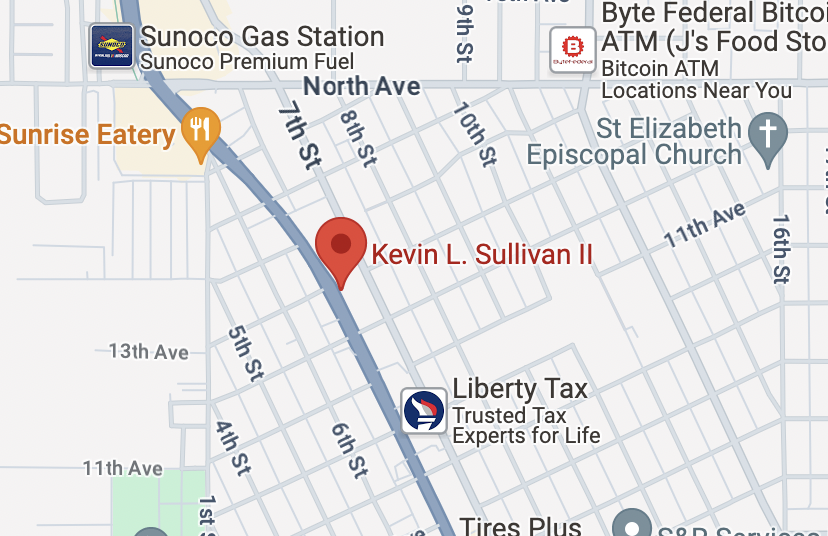
5720 Gall Boulevard, Ste 4
Zephyrhills, FL 33542
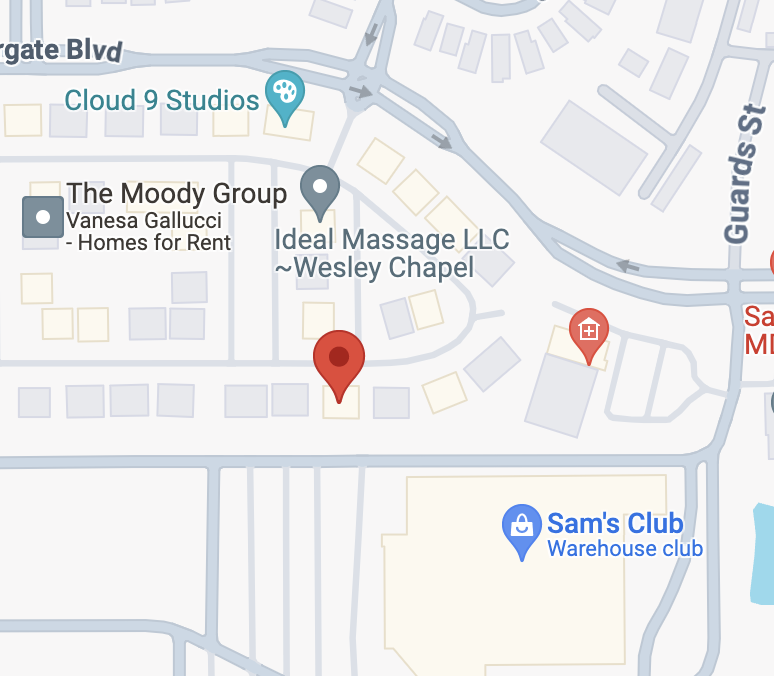
27642 Cashford Cir, Suite #110
Wesley Chapel*, FL 33544
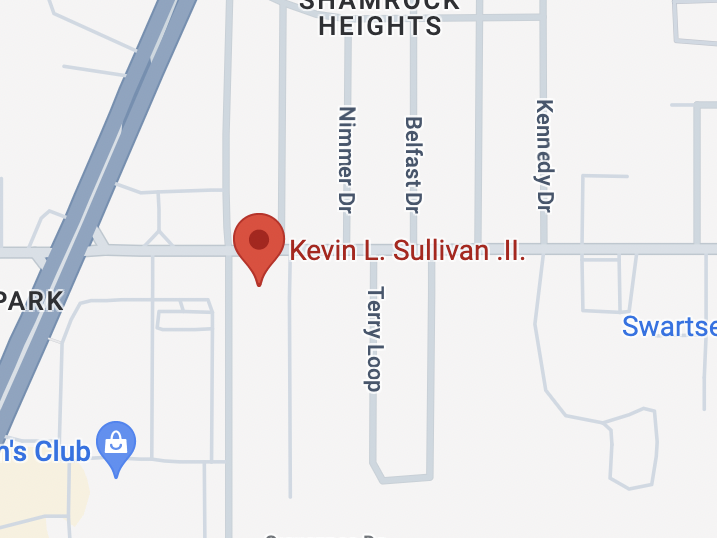
5006 Trouble Creek Rd, Ste 205
Port Richey*, FL 33652


Sorry, the comment form is closed at this time.