

26 Oct Emotional Distress Claims After a Florida Car Accident
A car crash can hurt more than your body. Many people feel fear, stress or sadness for months after a wreck. Some cannot drive without panic. Others cannot sleep. If you are dealing with anxiety after a car accident, an emotional distress claims may be possible. Florida law has special rules for these damages. This guide explains how they work.
Key Takeaways
- Anxiety after a car accident claim can be part of a Florida injury case. PIP won’t pay for it, though, because PIP doesn’t cover pain and suffering.
- To recover emotional distress damages from the at-fault driver, you usually have to meet Florida’s permanent injury threshold.
- A psychological injury after a car accident is easiest to prove with medical and counseling records. That’s true for PTSD after a car accident, too.
- If you’re found more than 50 percent at fault, you generally can’t recover. And nobody can honestly promise you an amount.

What Is Emotional Distress?
Emotional distress claims are the mental harm caused by an injury. In a car accident claim, it often falls under non-economic damages, which are sometimes called pain and suffering. These damages can include:
- Anxiety and panic
- Depression or sadness
- Fear of driving or riding in a car
- Trouble sleeping or nightmares
- Loss of enjoyment of daily life
These losses are real, even though they do not come with a bill.
Can You Claim Emotional Distress in Florida?
Florida is a no-fault state. Your own PIP coverage pays part of your medical bills and lost income. PIP does not pay for pain and suffering.
To seek non-economic damages, such as emotional distress, from the at-fault driver, Florida law requires that your injury meet a threshold. Under Florida Statute 627.737, you generally must show one of the following:
- Significant and permanent loss of an important bodily function
- Permanent injury within a reasonable degree of medical probability, other than scarring or disfigurement
- Significant and permanent scarring or disfigurement
- Death
Lawyers often call this the permanent injury threshold. Whether your injury clears it is usually one of the main questions in the case.
Why Medical Proof Matters
Insurance companies frequently challenge emotional distress claims. Good medical records make a difference. Helpful evidence may include:
- Records from your doctor about your physical injuries
- Notes from a counselor, therapist or psychologist
- A diagnosis such as an anxiety disorder or PTSD, if one is made
- Prescriptions related to your symptoms
- A journal of how you feel and what you cannot do
Tell your doctor about emotional symptoms. Share how you feel, too. If it is not in your records, it is harder to prove later.
How Is Emotional Distress Valued?
There is no set formula. Insurers and juries look at many factors, including:
- How serious your injuries are
- How long your symptoms last
- How much your daily life has changed
- What your doctors and counselors say
- Whether your injury meets the permanent injury threshold
No two cases are alike, so nobody can promise you a specific amount.
Economic vs. Non-Economic Damages
| Kind of damages | Examples | Does PIP pay? |
| Economic | Medical bills and lost wages | Some of it, up to the PIP limits |
| Non-economic | Emotional distress and pain and suffering | No |
| Do you need to meet the threshold? | Not for economic losses beyond PIP | Yes, to get non-economic damages from the at-fault driver |
How Fault Affects Your Claim
Florida uses a modified comparative fault rule. If you are more than 50 percent at fault, you generally cannot recover from the other driver. If you are 50 percent or less at fault, your damages are reduced by your percentage of fault. For example, if you are 20 percent at fault, your recovery is reduced by 20 percent.
Steps to Protect an Emotional Distress Claim
- See a doctor soon after the crash.
- Mention any emotional symptoms to your doctor.
- Stick with the treatment plan.
- Write down your symptoms and limits each day.
- Stay off social media when it comes to the crash or how you feel.
- Talk with a lawyer before giving a recorded statement.
Common Myths
Myth: You cannot claim emotional harm without a broken bone. Not true. But you generally must meet Florida’s injury threshold to recover non-economic damages from the at-fault driver.
Myth: PIP pays for pain and suffering. It does not.
Myth: Feeling stressed is enough. Strong medical proof is usually needed.
Is an Anxiety After a Car Accident Claim Common?
Yes. Anxiety after an emotional distress claims is more common than many people think. Crashes are scary. Fear can last a long time. Some people avoid driving. Some avoid the road where the crash happened. Some feel on edge when a car brakes hard nearby.
When to Get Help for Your Mental Health
Get help if your symptoms last more than a few weeks. Get help if they make it hard to work, sleep or care for your family. A doctor or counselor can help. Getting care is good for your health first. It also creates records of what you are going through.
What Not to Do
Don’t downplay symptoms when you see your doctor.
Don’t quit treatment before you’ve talked with your doctor.
Don’t post about the crash online.
Don’t sign anything an insurer sends until someone has reviewed it.

Talk With a Lawyer About Your Case
Living with anxiety after an emotional distress claims is hard. You do not have to sort out the legal side alone. Kevin L. Sullivan II helps injured people across the Tampa Bay area. Learn more about car accident claims in Florida. Call Attorney Kevin L. Sullivan II at (813) 598-4868.
*This article is general information about Florida law and is not legal advice. Reading it does not create an attorney-client relationship. Every case is different, and laws can change. Past results do not guarantee a similar outcome. The hiring of a lawyer is an important decision that should not be based solely upon advertisements.*
Frequently Asked Questions
Q: Can I sue for emotional distress after a car accident in Florida?
A: You might, though Florida generally requires you to meet the permanent injury threshold before you can recover non-economic damages.
Q: Does PIP cover anxiety or emotional distress?
A: No. PIP pays part of your medical bills and lost income, and that’s all.
Q: What proof helps an emotional distress claim?
A: Medical records, counseling notes, any diagnosis and a journal of your symptoms.
Q: Can PTSD be part of a car accident claim?
A: It can, if a medical provider diagnoses it and ties it to the crash.
Q: Does being partly at fault affect my claim?
A: It can. What you recover goes down by your share of fault, and being over 50 percent at fault usually bars recovery.
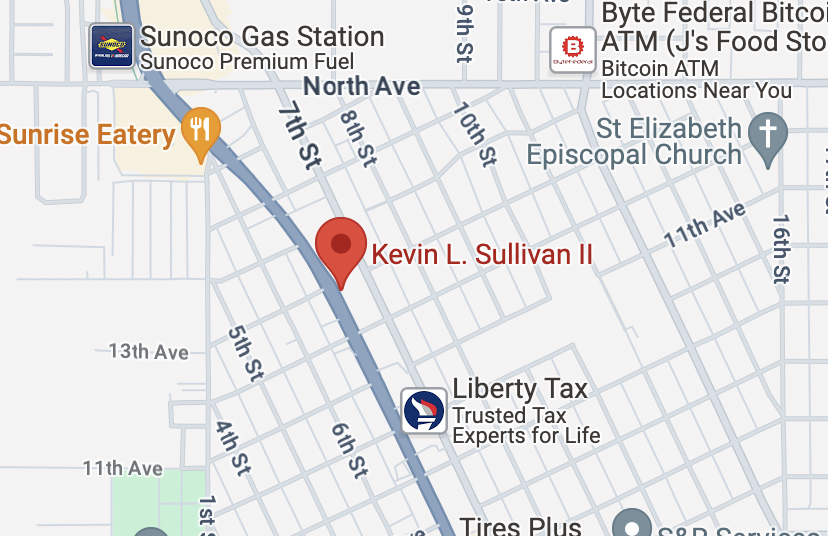
5720 Gall Boulevard, Ste 4
Zephyrhills, FL 33542
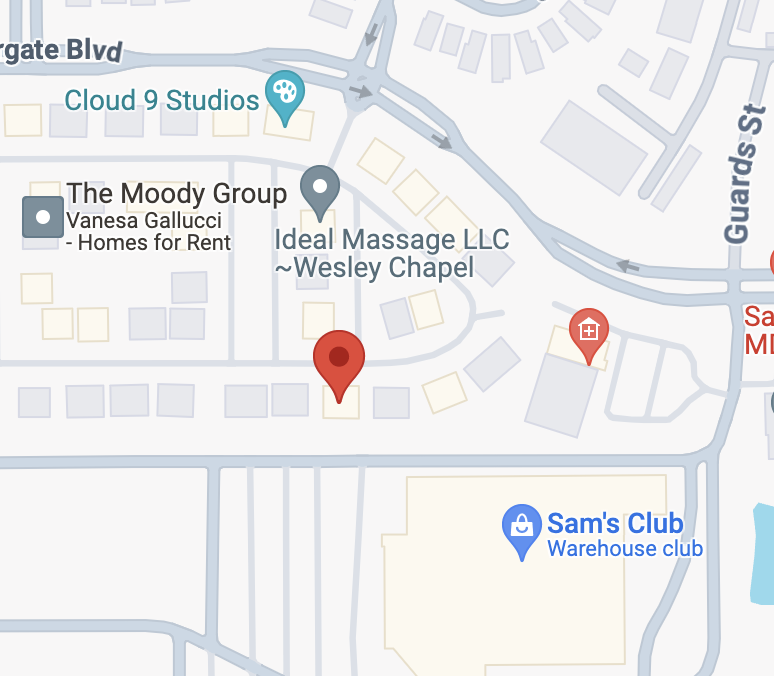
27642 Cashford Cir, Suite #110
Wesley Chapel*, FL 33544
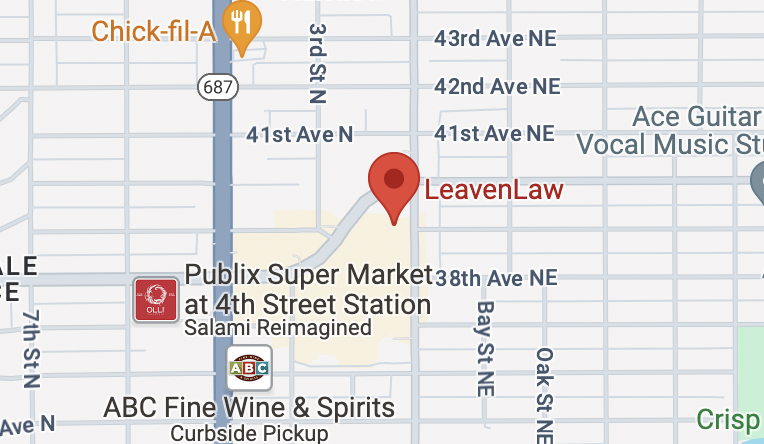
5006 Trouble Creek Rd, Ste 205
Port Richey*, FL 33652
Sorry, the comment form is closed at this time.