

05 Aug How Are Personal Injury Settlements Paid Out
How are personal injury settlements paid out? Understanding the compensation process after an auto accident in Florida is important for victims seeking justice. Personal injury settlements are a major part of this process. They provide a financial solution without the need for a long trial. However, the process is complex, involving legal procedures and negotiations that require careful navigation.
Florida’s personal injury law framework lays the groundwork for settlement negotiations and payments. The state’s laws determine the steps both parties need to take to reach a fair resolution, whether the injury was caused by a workplace incident, a car crash, or any other type of negligence. Kevin L. Sullivan II is an experienced personal injury attorney who can guide clients through the legal maze and help secure the compensation they deserve.
Remember that every case is different as we explore the details of Florida personal injury settlements.
Call us at (813) 598-4868
The Settlement Process Explained
Understanding the phases of the personal injury settlement process in Florida will help you navigate the journey from claim to settlement. This process involves several steps, beginning with filing a claim and ending with the distribution of settlement funds.
Filing an Insurance Claim
The process starts with filing an insurance claim. It’s important to notify the insurance company of the party responsible for the accident and let them know that you intend to pursue compensation. This should be done as soon as possible, as Florida law has strict deadlines for filing claims.
Documentation and Investigation
Once a claim is filed, both sides will conduct a thorough investigation. As the claimant, you will need to collect and present evidence to support your claim. This evidence can include eyewitness statements, accident reports, and medical records.
Negotiation Phase
The negotiation phase begins once all evidence is in place. Your attorney’s experience is invaluable at this stage. Negotiations involve a series of back-and-forth discussions between the parties, such as the insurance company and the defendant’s legal representatives. The goal is to reach an agreement on a fair settlement amount. The strength of your case and the skill of your legal team can significantly impact the outcome.
Settlement Agreement
If both parties agree on a settlement, a legal document is drawn up outlining the settlement amount. Both parties must sign this settlement agreement to make it legally binding.
Settlement Payment
After signing the agreement, the defendant’s insurance company or the defendant will issue the settlement payment. In Florida, there are two main types of settlement payments: structured settlements and lump-sum settlements. A lump-sum settlement provides the full amount in one payment, while a structured settlement is paid over time.
Timelines for Receiving Settlement Funds
The timeline for receiving settlement funds can vary. Florida law requires that funds be paid out within a certain period, typically within 20-30 days after the settlement agreement is signed. The exact timing depends on the specifics of the settlement agreement and the procedures followed by the parties involved.
Understanding the settlement process in Florida can help you achieve a positive outcome for your personal injury claim. With the help of a lawyer, you can navigate these steps and receive the compensation you deserve.
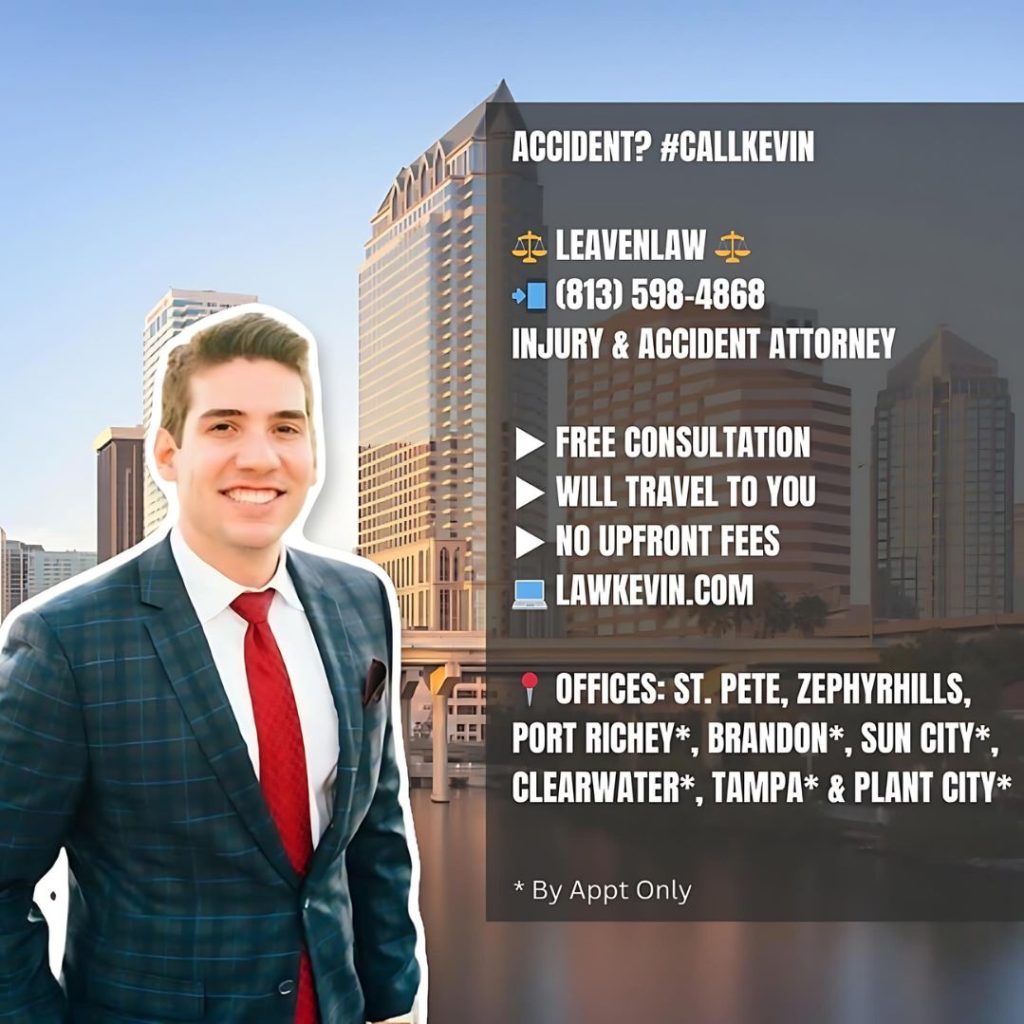
Different Types of Personal Injury Settlements
Settlements are the primary means of compensation for victims under Florida’s personal injury laws. Anyone navigating this process must be familiar with the available settlement options. Settlements can be divided into two main categories: structured settlements and lump-sum payments. Each type has unique characteristics and implications.
Lump-Sum Payments
A lump-sum settlement is a one-time payment made by the defendant to the plaintiff. This payment covers all damages agreed upon in the settlement, including medical expenses, lost wages, pain and suffering, and other compensable losses. A lump-sum settlement can provide immediate financial relief and flexibility, allowing you to use the money as needed. This is especially useful for covering large expenses, such as medical costs or long-term care.
Structured Settlements
Unlike lump-sum payments, structured settlements spread the settlement amount over a period of time through a series of payments. The agreement can span several years or even a lifetime. Structured settlements provide a stable income stream, which can be beneficial for financial planning. They are often customized to meet the recipient’s future needs, including ongoing medical care, rehabilitation costs, and the need for a consistent income.
Choosing the Right Settlement Option
Deciding between a lump-sum payment and a structured settlement depends on several factors, such as the severity of your injury, your current financial situation, and your future needs. Structured settlements offer long-term financial security, while lump-sum payments provide immediate access to funds.
The decision about the type of settlement is typically made during the negotiation phase and should be carefully considered. An experienced personal injury lawyer can help you understand the implications of each option and guide you toward the best choice for your situation and future needs.
Making an Informed Decision
Your settlement should adequately compensate you for your injuries and support your recovery. By considering legal advice and understanding your options, you can make an informed choice that best suits your circumstances.
Receive the Settlement Payment
Receiving a settlement payment in Florida marks the conclusion of an injury claim. This phase is the final step in the legal process and follows the successful negotiation of a settlement agreement. It is a moment of relief and closure for the injured party who filed the claim. Knowing what to expect in this phase can ensure a smooth transition from financial distress to recovery.
Timeline for Payment
In Florida, once a settlement agreement is reached and all necessary documents have been signed, the law requires that the settlement be paid within a specific timeframe. The defendant or the insurance company typically has 20-30 days to make the payment. However, this timeline may vary depending on the specifics of the agreement or any logistical issues involved with the payment process.
Legal Steps
Before the settlement check can be issued, several legal and logistical tasks must be completed. One crucial step is signing release forms. These documents state that the settlement amount will resolve your claim and that you won’t pursue any further legal action. If your attorney worked on a contingent fee basis, the settlement check will likely be sent to their office. The attorney will deduct any fees or expenses related to the case before releasing the remainder of your settlement check.
Types of Payment
As previously discussed, settlements can be paid as a lump sum or through structured settlements. A lump-sum payment provides the agreed-upon amount all at once, while a structured settlement distributes payments over time. The settlement agreement will specify the type of payment.
What to Do After Receiving a Settlement
Receiving a settlement marks the beginning of a new stage in your recovery. It is wise to consult with financial advisors for advice on managing your settlement funds, especially if they are substantial. Consider tax implications, investment opportunities, and long-term care planning.

Final Thoughts
Receiving a personal injury settlement in Florida marks the end of an arduous chapter in your life. While the settlement concludes the legal proceedings, it also provides the funds necessary to aid your recovery and help you move forward. Understanding the steps to receiving your settlement payment will ensure you can focus on your future and move on smoothly.
Contact Kevin L. Sullivan II
In Florida, the conclusion of a personal injury case is marked by the settlement payout. This is a complex legal process that provides both justice and recovery. This article has guided you through the detailed steps of the settlement process, from filing a claim to receiving the check.
Personal injury settlements, such as lump-sum and structured payments, offer flexibility and choices. They allow for customized financial recovery plans to suit each individual’s needs and circumstances. Settlement payments signify hope and a new beginning, providing financial security and support to help you move forward.
For assistance with your personal injury claim, call Kevin L. Sullivan II at (813) 598-4868 to schedule your free consultation.
Call us at (813) 598-4868
5720 Gall Boulevard, Ste 4
Zephyrhills, FL 33542
27642 Cashford Cir, Suite #110
Wesley Chapel*, FL 33544
5006 Trouble Creek Rd, Ste 205
Port Richey*, FL 33652
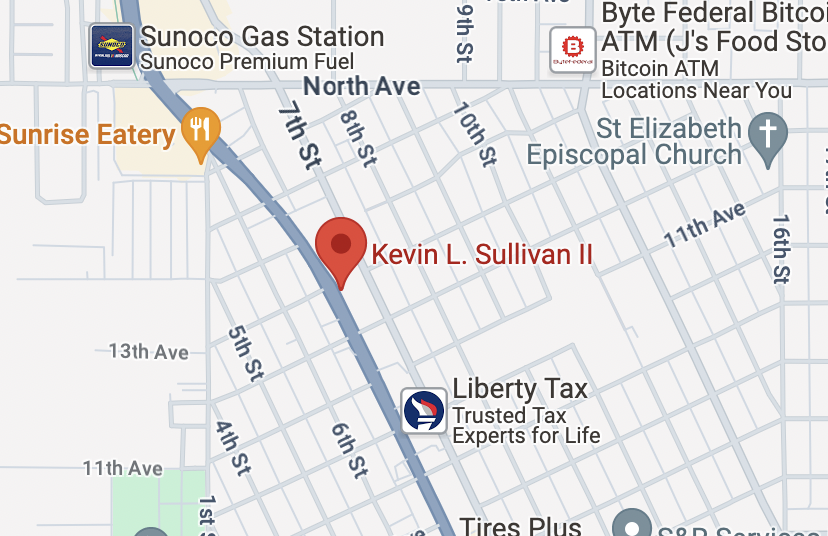
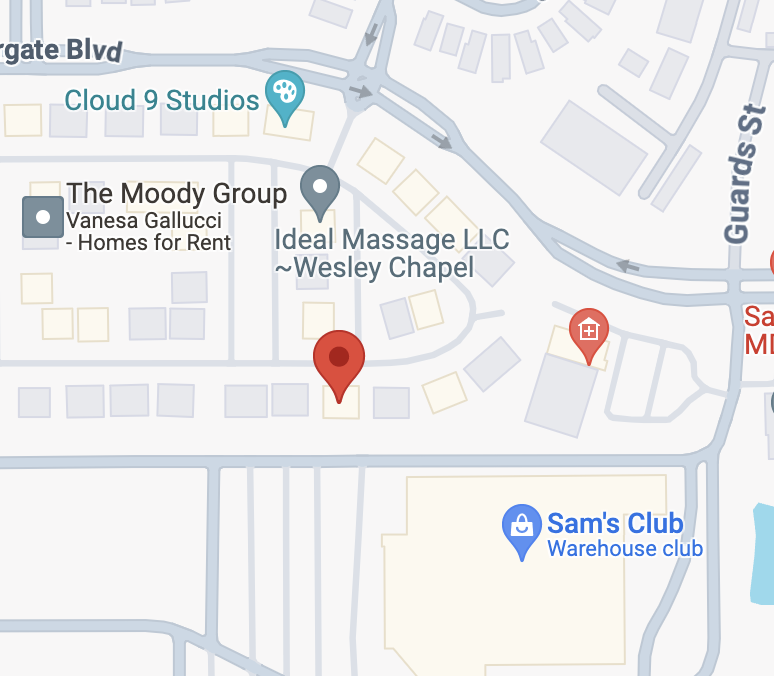
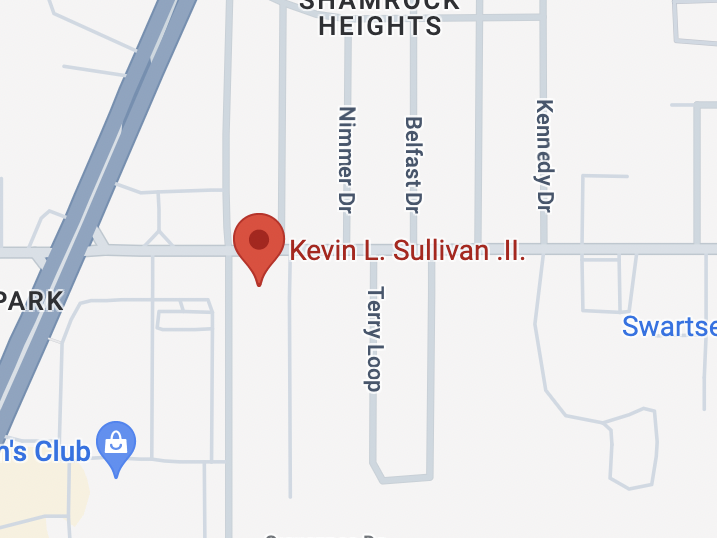
Contact Accident Attorney Kevin L. Sullivan II TODAY at (813) 598-4868 for a FREE no-obligation consultation. I look forward to assisting you with your claim!
Sorry, the comment form is closed at this time.