

05 May Ways to Maximize Your Personal Injury Settlement
5. Avoid Recorded Statements
Adjusters may ask you to give a recorded statement shortly after the accident. Simply say no until you’ve had a chance to speak with your lawyer. Such recordings are frequently sought to uncover contradictions or concessions that can undermine your claim.
6. Watch What You Post Online
You may be tempted to keep friends and family updated on your condition, but social media posts can be used against you. Even a picture of you at dinner, or out walking your dog, can be turned around to suggest that you’re not all that banged up.
Keep all case-related info offline and avoid sharing recovery details until your case is closed.

The Value of Legal Representation
Negotiating a personal injury settlement isn’t just about back-and-forth numbers. It’s about leverage. Nobody has more leverage than a personal injury lawyer with experience in Florida insurance tricks.
They are experienced lawyers who have handled thousands of cases throughout the state, from auto wrecks in Tampa to trucking crashes on I-75. He actively knows how to prepare robust cases and apply pressure on insurers to settle fairly or go to court.
Here’s how an attorney can make a difference:
- Accurately value your claim so you don’t settle for less
- Communicate with the insurance company on your behalf
- Coordinate with doctors and experts to establish long-term care needs
- Negotiate and, if needed, litigate for the best result
Many people don’t realize the psychological burden that comes with pursuing a claim alone. Having an experienced legal advocate can relieve that pressure—and make the process less stressful overall.
Avoiding Costly Mistakes
Mistakes during the claims process can drastically reduce your compensation. Here are common pitfalls to steer clear of:
- Admitting fault to the police or the other party
- Delaying medical treatment or skipping follow-up appointments
- Signing documents without legal review
- Settling too soon
- Ignoring deadlines (Florida has a strict statute of limitations for personal injury cases)
Even honest mistakes, like downplaying your pain to a nurse or forgetting details in your initial report, can come back to haunt you during settlement talks.
Emotional and Psychological Damages
If your injuries have impacted your mental health, don’t brush them aside. Anxiety, depression, PTSD, and sleep disorders are common after serious accidents. These aren’t just personal struggles—they’re legally recognized damages.
Speak to a licensed therapist, and keep documentation of your visits. A statement from your mental health provider can be included in your personal injury settlement demand, often increasing the value significantly.

Final Thoughts
At the end of the day, a good personal injury settlement is not one where you get rich. It’s not about squabbling over who gets what — it’s about making sure you’re not stuck with the bill and the hardship when someone else does something stupid. It’s a question of fairness —and a chance to restore stability.
Attorney Kevin Sullivan takes pride in representing injury victims across Florida with integrity, persistence, and results. If you’ve been hurt in an accident and need experienced legal guidance, reach out at (813) 598-4868 for a personalized consultation.
Have your case handled by someone who knows how to fight for your rights, not someone who’s looking out for the insurance company’s bottom line first and foremost.
FAQs About Personal Injury Settlements
How long does it take to settle a personal injury case?
It can take several months to over a year, depending on how severe and complicated your case is.
What if my injuries get worse after I settle?
If you do settle, you usually forfeit the right to reopen your case. That’s why it’s so important to wait until you reach MMI.
Do I need a lawyer even for a minor accident?
Yes. Somebody who you think has wronged you may also have some very good reasons for the way they treated you, and you need to be prepared to be confronted with that information.
Can I claim for emotional distress?
Yes, with a note from a therapist or psychologist.
What percentage does a personal injury lawyer take?
Most work on contingency, typically around 33–40%, and only get paid if you win.
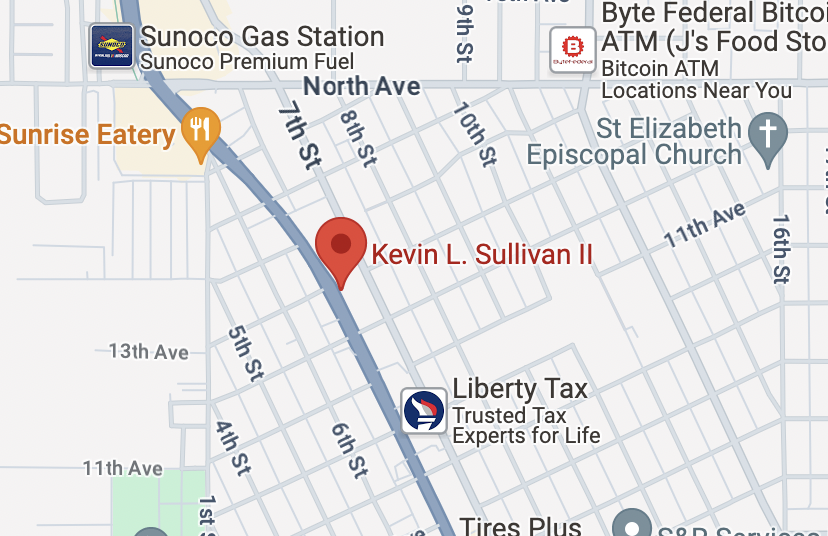
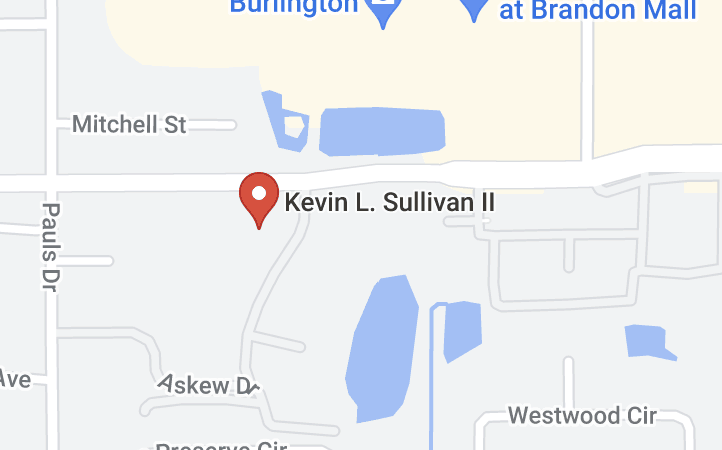
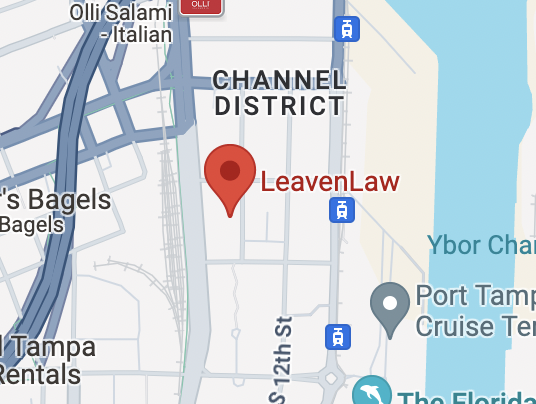
5720 Gall Boulevard, Ste 4
Zephyrhills, FL 33542
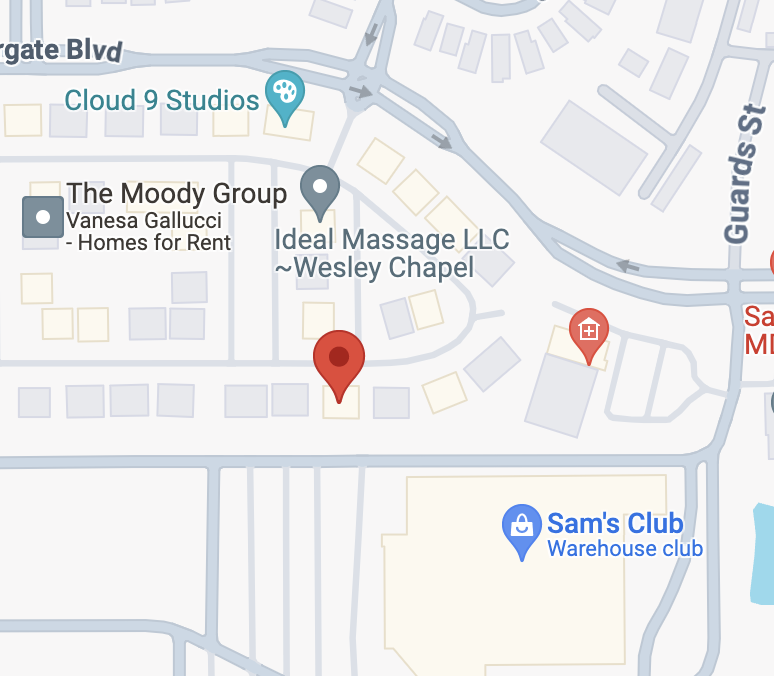
27642 Cashford Cir, Suite #110
Wesley Chapel*, FL 33544
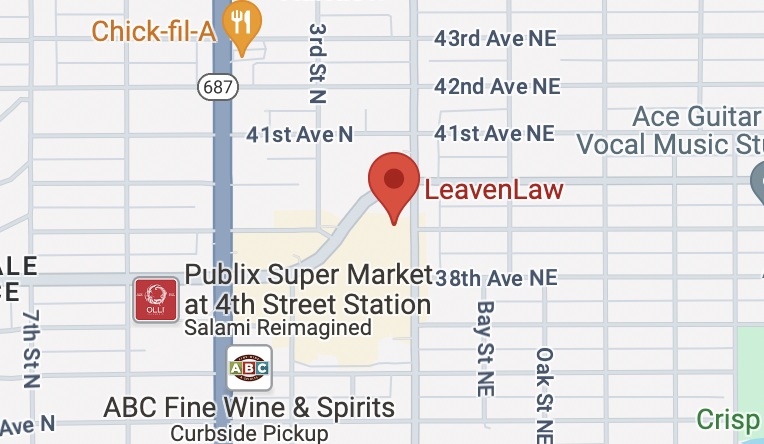
5006 Trouble Creek Rd, Ste 205
Port Richey*, FL 33652
Sorry, the comment form is closed at this time.