

04 Nov How Exaggerated Personal Injury Claims Impact Settlements
A personal injury claim helps you recover money to cover your medical expenses, lost wages, and pain and suffering. Unfortunately, some people think that exaggerating injuries will get them a bigger settlement. While it might sound like a clever move, exaggerated personal injury claims can backfire—and when they do, it could harm your credibility and damage your case.
In this blog, we’ll discuss why honesty is essential when filing a personal injury case and explain the consequences of inflating your injuries.
Call us at (813) 598-4868
What Are Exaggerated Personal Injury Claims?
Some individuals treat accidents as if they’re a “payday,” exaggerating injuries in hopes of increasing their payout. They might claim more pain than they actually experience or invent symptoms, believing this will raise the value of their case. But exaggerated personal injury claims carry serious risks. Not only can they hurt your credibility, but they can also result in financial penalties or even criminal charges.
Why People Exaggerate Injuries
After an accident, financial stress can quickly mount. You may face medical bills, loss of income, and uncertainty about when—or if—you can return to work. For some, exaggerating their injuries seems like an easy way to get a larger payout to cover these expenses. However, this approach is dangerous. Insurance adjusters and attorneys are trained to recognize inflated claims, and once detected, exaggeration can derail your entire case.
How Exaggeration Can Be Exposed
Lawyers and insurance adjusters are skilled at spotting false or inflated claims. We’ve seen many cases fall apart after claims didn’t match the facts. When we notice signs of dishonesty, we may withdraw from representing a client. Below are some common ways exaggerated personal injury claims get uncovered:
1. Medical Records Don’t Match the Claims
Doctors play a key role in personal injury cases by documenting injuries and treatment. If the injuries described in your claim are not consistent with medical records, the insurance company will notice. Adjusters may reduce or deny your claim, believing it won’t hold up in court.
2. Insurance Investigations
Insurance companies investigate claims to verify their legitimacy. They may interview witnesses, inspect the accident scene, and even hire private investigators. If they suspect you’re exaggerating, they’ll dig deeper to find inconsistencies.
3. Independent Medical Examinations (IMEs)
Insurance companies often require an independent medical exam (IME). While IME doctors are not always neutral, they are trained to look for objective signs of injury. If your symptoms don’t align with medical evidence, this can severely weaken your case.
4. Surveillance
Surveillance is a powerful tool insurers use to catch exaggerated claims. If you’re spotted doing things that contradict your injury claims—like running errands or lifting heavy items—it could ruin your case.
In one case, a defense attorney used surveillance footage showing a plaintiff with an alleged disability sprinting down his stairs carrying a bicycle. The defense won the case, and the plaintiff walked away with nothing.

Legal Consequences of Exaggerated Personal Injury Claims
Exaggerating your injuries doesn’t just hurt your chances of getting compensation—it could also lead to serious legal consequences. Here are some of the risks:
– Loss of Credibility: If you exaggerate your injuries, the court and insurance company may not believe any part of your story. This loss of credibility makes it much harder to negotiate a fair settlement.
– Damage to Attorney-Client Relationships: Attorneys rely on their clients’ honesty to build a strong case. If you lie about your injuries, you put your lawyer in a difficult position—and they may have no choice but to withdraw from your case.
– Fraud Charges: Filing a false injury claim can lead to criminal charges for insurance fraud. If convicted, you could face fines or even jail time.
– Financial Penalties: Courts may order you to pay the defendant’s legal fees, as well as the costs of surveillance and expert witnesses, if your exaggeration is discovered.
How Exaggeration Affects Your Insurance Settlement
If the insurance company suspects you’ve exaggerated your injuries, they’ll push back hard. Adjusters are trained to recognize false claims and often respond by reducing or outright denying settlements. In some cases, insurance companies will fight claims aggressively to avoid setting a precedent of paying exaggerated claims.
It’s also important to understand that insurers have seen thousands of personal injury cases. Trying to trick them will only delay your claim and could result in a much smaller payout—or no payout at all.
Why Honesty Is the Best Policy
Honesty really is the best policy when it comes to personal injury claims. Here’s why:
1. Credibility with Courts and Insurers
Being truthful about your injuries helps you maintain credibility throughout the claims process. When your story aligns with the evidence, insurance companies are more likely to offer fair compensation.
2. A Stronger Legal Case
Your attorney can build a much stronger case if they have accurate information from the start. If your injuries are exaggerated, your lawyer may struggle to defend you in court.
3. Avoid Legal Trouble
Honesty protects you from legal penalties, such as fraud charges, fines, or case dismissal. Staying truthful keeps your case on solid ground.
4. Fair Compensation
When you tell the truth, you increase your chances of receiving fair compensation. You deserve to be compensated for your legitimate medical expenses, lost wages, and pain and suffering—not less. Exaggeration can backfire and cost you more in the long run.
Conclusion
Exaggerating your injuries might seem like an easy way to boost your settlement, but it’s a risky move that can cost you everything. From losing your credibility to facing legal trouble, the consequences of exaggerated personal injury claims far outweigh any potential benefits. If you’ve been injured in an accident, your best option is to work with an experienced attorney who can present your case truthfully and effectively.
Schedule a Free Consultation
If you’ve been injured in a car accident or other personal injury incident, Kevin L. Sullivan II is here to help. We’ll fight to get you the compensation you deserve—without the need for dishonesty.
Contact us today at (813) 598-4868 or fill out our online form to schedule a free consultation. Let us provide the trusted legal support you need to recover from your accident.
Call us at (813) 598-4868
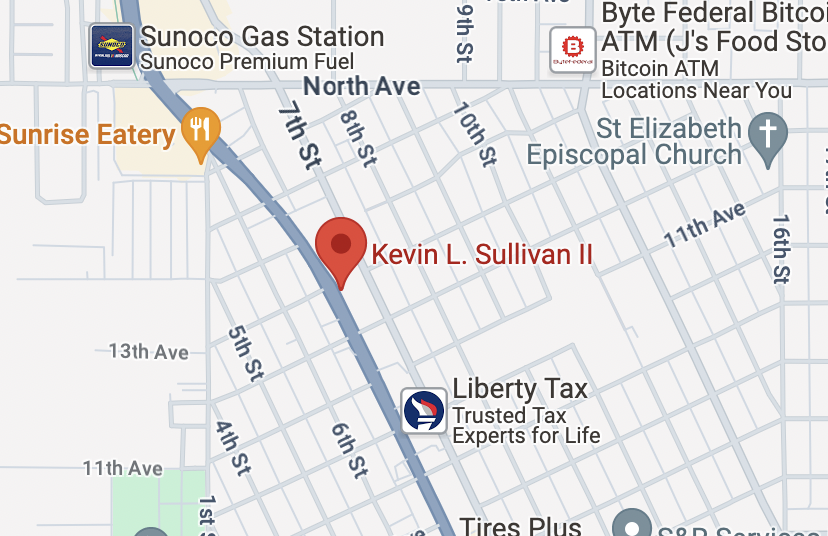
5720 Gall Boulevard, Ste 4
Zephyrhills, FL 33542
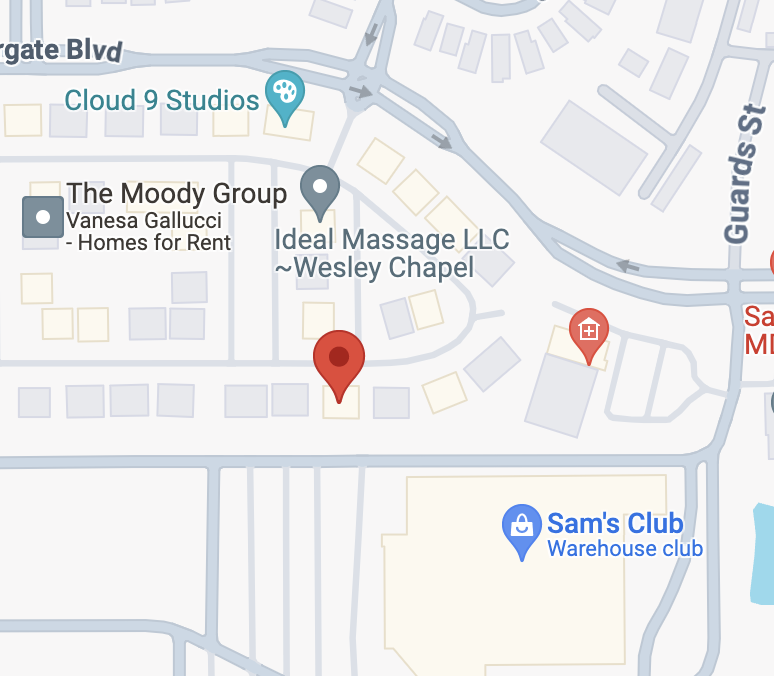
27642 Cashford Cir, Suite #110
Wesley Chapel*, FL 33544
5006 Trouble Creek Rd, Ste 205
Port Richey*, FL 33652
Contact Accident Attorney Kevin L. Sullivan II TODAY at (813) 598-4868 for a FREE no-obligation consultation. I look forward to assisting you with your claim!
Sorry, the comment form is closed at this time.