
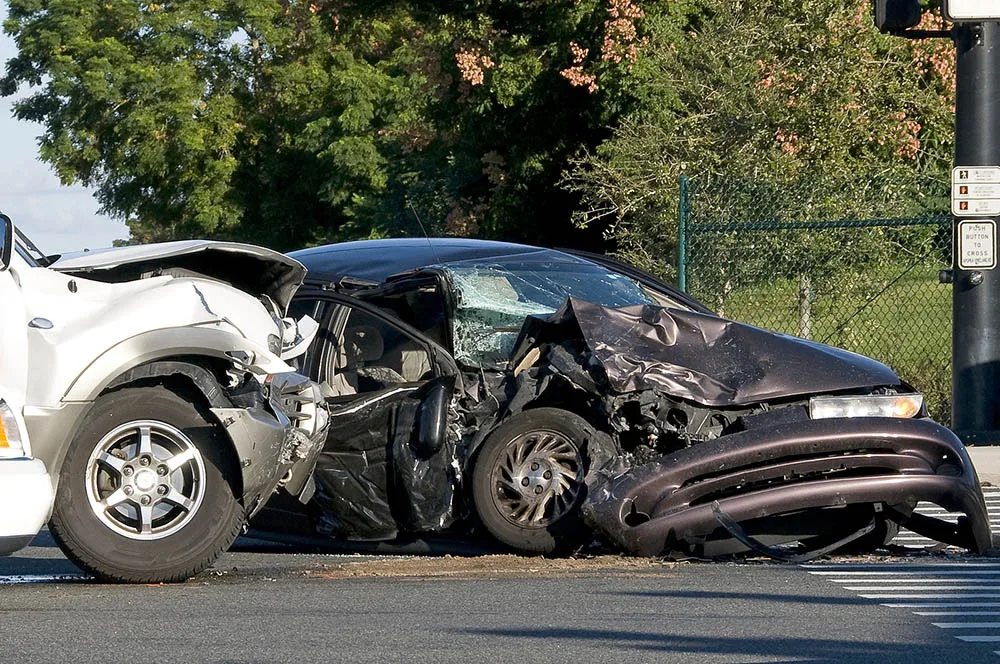
20 Apr What to Do After Car Accident
If you are currently wondering what to do after car accident events, the protocol is straightforward: secure your physical safety, record every detail of the scene, and initiate the insurance process without delay. In the busy environment of a Florida roadway, the actions you take in the first fifteen minutes can dictate the success of your medical recovery and the strength of your legal claim. Attorney Kevin and his team see how adrenaline masks injuries and how missing evidence leads to denied claims—don’t let a chaotic moment jeopardize your future.
Table of Contents
ToggleKey Takeaways
- Immediate Triage: Prioritize medical assessment even if you feel “fine” at the scene.
- Scene Control: Relocate vehicles to the shoulder to prevent secondary pile-ups.
- Official Record: Always summon law enforcement to generate a formal crash report.
- Digital Proof: Use your smartphone to capture high-density visual evidence of all damages.
How Should You Manage the Immediate Aftermath of a Collision?
The most critical phase of what to do after car accident situations is the “Golden Hour”—the window where evidence is fresh and your legal rights are most vulnerable. You must balance the immediate need for medical attention with the necessity of gathering data. In Florida, where the “No-Fault” rules apply, failing to document the specific mechanics of the crash can leave you on the hook for massive medical bills that the other driver’s insurer should rightfully cover.
The Strategic Framework for Post-Accident Recovery
- Safety and Triage Phase
- Conduct a head-to-toe self-assessment and check all passengers for signs of shock or internal trauma.
- Engage hazard lights and deploy road flares if available to create a “safety bubble” around the site.
- Law Enforcement and Fact-Finding
- Dial 911 immediately; a police report is the bedrock of any successful injury litigation.
- Provide the officer with strictly objective facts—never speculate on your speed or the other driver’s intent.
- Comprehensive Evidence Harvest
- Document the four “D’s”: Damage, Debris, Dashboards, and Distractions (like a phone in the other driver’s hand).
- Secure witness statements and their direct contact digits before they leave the vicinity.
Risk Mitigation Clusters
- Liability Protection: Never say “I’m sorry” at the scene; in a legal context, a polite apology is often twisted into an admission of fault.
- Medical Gap Defense: Seek a medical evaluation within 14 days to preserve your Florida PIP (Personal Injury Protection) benefits.
Technical Execution
- Photo Density: Take at least 10-15 photos from different angles, including wide shots of the entire intersection and close-ups of paint transfers.
- Insurance Notification: Report the incident to your carrier within 24 hours, but do not provide a “recorded statement” until you’ve consulted counsel.
At-a-Glance: Immediate Actions vs. Long-Term Recovery
Action Step | Immediate Priority | Long-Term Impact |
Police Report | Establishing the “Who, What, When.” | Critical evidence for proving liability in court. |
Medical Visit | Identifying hidden trauma like whiplash. | Necessary for meeting the “Permanent Injury” threshold. |
Photo Evidence | Capturing transient road conditions. | Refutes false claims made by defense adjusters later. |
Legal Counsel | Shielding you from aggressive adjusters. | Maximizing the final settlement or jury award. |

Why Is Professional Documentation Vital for Your Claim?
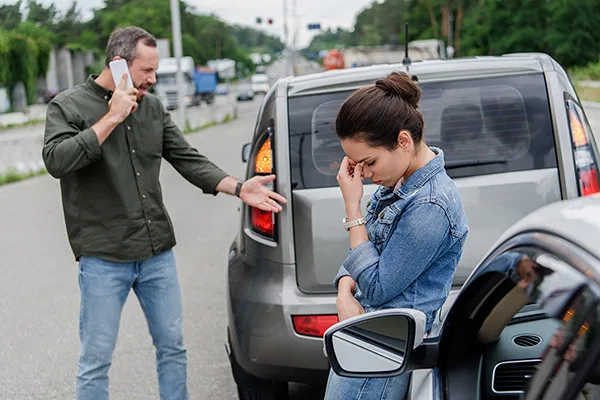
If you are analyzing what to do after car accident injuries occur, you must realize that insurance adjusters are trained to minimize their company’s payout. They look for gaps in your story, delays in your medical treatment, and inconsistencies in the police report. By gathering your own high-density evidence—photos of skid marks, traffic signals, and vehicle positioning—you create an undeniable narrative that forces the insurance company to take your claim seriously.
Essential Industry Entities & Impacts
- Florida PIP (Personal Injury Protection): The mandatory insurance that covers the first $10,000 of your medical bills.
- Modified Comparative Negligence: The legal standard used to determine what percentage of fault each driver carries.
- Statute of Limitations: The strict deadline for filing a lawsuit; miss this, and your right to recover is gone forever.
When Should You Transition from "Information Gathering" to Legal Action?
The moment the insurance company starts asking for a recorded statement or offers a “quick cash” settlement, you need to pivot. These are tactics designed to close your file for pennies on the dollar. Knowing what to do after car accident events means knowing when to stop talking to the adjuster and start talking to a professional who knows the Florida court system inside and out.
Putting Your Recovery Strategy into Motion
Attorney Kevin and his team don’t just “process” cases; we hunt for the maximum recovery possible. With over $35 Million recovered for our clients, our grit and local Tampa Bay experience are your greatest assets. Whether it’s a high-impact trucking collision or a complex multi-car pile-up, we handle the insurance companies so you can focus on healing. No fees, no costs, and no stress unless we win your case.
Call (813) 598-4868 for a FREE consultation with Attorney Kevin L. Sullivan II today.
Frequently Asked Questions
Q: What should I do immediately after a car accident?
Check for injuries and call 911. Once safe, move your vehicle out of traffic and begin photographing the damage and the surrounding road conditions.
Q: Do I need to call the police for a minor accident?
A: Yes. In Florida, a formal police report provides an objective record that prevents the other driver from changing their story later.
Q: What information should I collect from the other driver?
A: Secure their full name, phone number, driver’s license number, and their specific insurance policy details and carrier name.
Q: When should I contact a lawyer after a car accident?
A: You should contact an attorney immediately if there are any physical injuries, if the other driver is blaming you, or if the insurance company is pressuring you for a statement.
Q: How long do I have to file a claim after an accident?
A: While you should report the accident to your insurer immediately, Florida law has specific statutes of limitations for filing a lawsuit. Acting within the first few days is vital to preserve evidence.
5720 Gall Boulevard, Ste 4
Zephyrhills, FL 33542
27642 Cashford Cir, Suite #110
Wesley Chapel*, FL 33544
5006 Trouble Creek Rd, Ste 205
Port Richey*, FL 33652
Sorry, the comment form is closed at this time.